
A new political season
Since the May local elections, no English party has faced more by-elections caused by breaches of electoral law than the Greens.
Since the May local elections, no English party has faced more by-elections caused by breaches of electoral law than the Greens.

There were 53 by-elections in this latest crop of results with 24 (45 per cent) seeing a seat change hands.

The merry-go-round of multi-party politics continues, with nine of 20 seats exchanging hands in recent local by-elections.
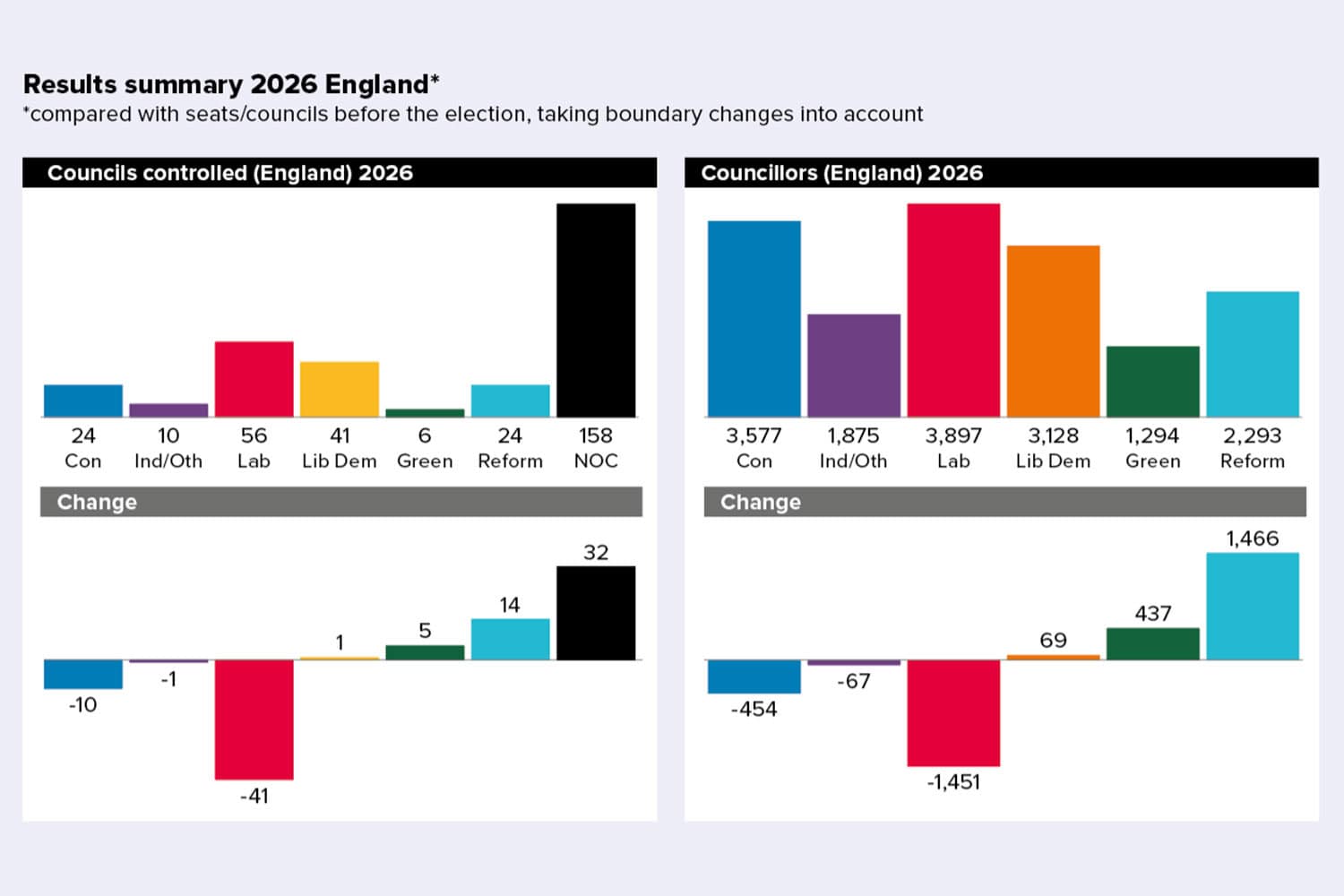
In little more than a year, the pattern of local government in England has been upended.

With almost a third of all English council seats falling vacant on 7 May, and nearly half the electorate able to cast a vote, there is scope for quite radical change to the pattern of local government.

The final quarter of 2025 established a record, with 62 per cent of by-elections lost by the defending party.

Labour’s gain of Durham’s Murton ward from Reform UK has naturally attracted attention, since it runs contrary to the general trend of Labour struggling to retain seats.

The first by-elections of the year suggest a continuation of the 2025 pattern when new records were set.

Last year established a new record for the rate at which by-election seats are changing hands.

The new multi-party politics is having a noticeable impact on the proportion of seats changing hands and the low share of the vote often needed for victory.