Local authorities across the UK are facing mounting pressures that threaten essential community services, including leisure provision. Tightening budgets, rising operational costs and reduced central funding are forcing difficult decisions to be made about where resources are allocated. At the same time, poor health outcomes and widening inequalities continue to place strain on public services and local economies in ways that the NHS alone cannot resolve.
Rather than viewing these as separate challenges, there is a clear opportunity to address them together. A stronger focus on prevention, particularly by tackling the root causes of inactivity and health inequality, can help build healthier communities while easing the long-term demand on health and social care services. Central to this approach is sustained investment in accessible, high-quality leisure and wellbeing facilities embedded within local communities.
Addressing inequality through activity
Health disparities across the country remain stark. Childhood obesity rates differ significantly between regions and infant mortality rates in certain cities are markedly higher than in more affluent neighbouring areas. These inequalities are closely linked to deprivation, access to services and opportunities to be active.
Research from the District Councils’ Network highlights the measurable impact that leisure and wellbeing services can have in narrowing these gaps. Increasing physical activity levels improves individual health outcomes, enhances quality of life, and reduces the risk of long-term conditions such as cardiovascular disease, diabetes and obesity. It also has the potential to reduce future NHS costs significantly. The evidence is clear: prevention works.
The challenge now is ensuring physical activity is recognised as a core pillar of public health strategy, not an optional extra. Alongside clinical care and medical interventions, movement, nutrition and community-based support must form a central part of the nation’s health agenda. Elevating leisure services within strategic planning is an essential step towards delivering meaningful, long-term change.
Embedding health in the community
Recognising the importance of leisure facilities is only part of the solution. To unlock their full value, they must be integrated with wider health and community services, creating accessible wellbeing hubs that support people holistically.
Co-locating leisure centres with services such as physiotherapy, rehabilitation programmes, health checks, maternity advice and other advisory support reduces barriers to access. It normalises prevention, removes stigma and enables residents to engage with health support in familiar, welcoming environments. This integrated model strengthens community connections and encourages sustained participation in physical activity.
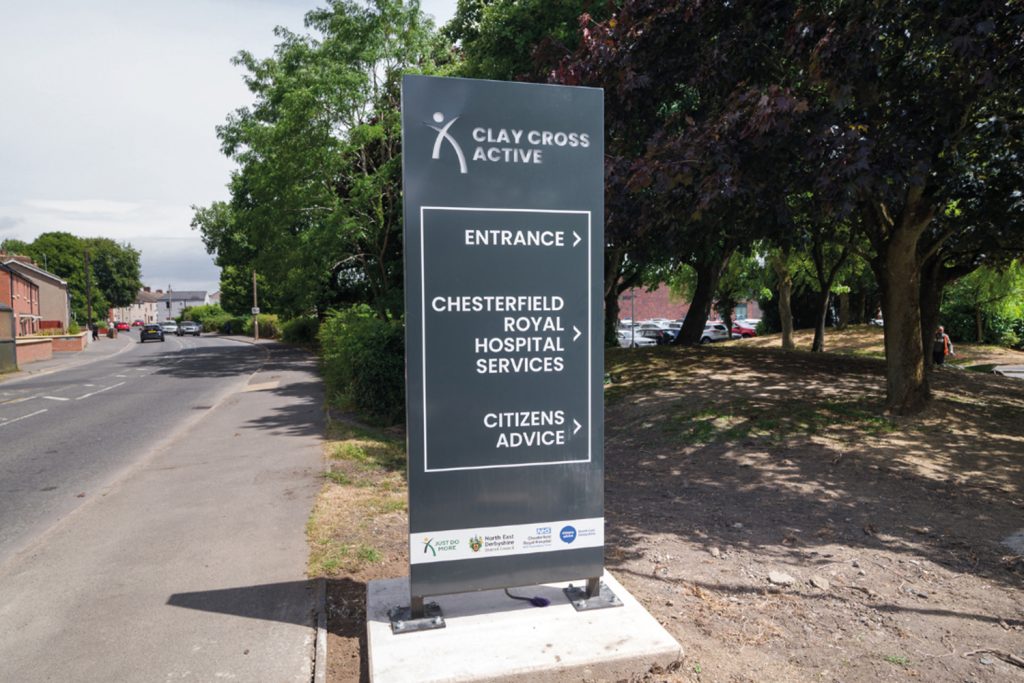
At Alliance Leisure, our focus is moving more and more towards the end-to-end delivery of these co-located-style wellbeing hubs, with projects such as North Hykeham’s Health Hub and Clay Cross Active in North East Derbyshire. By combining traditional fitness facilities with NHS-linked services and flexible community spaces, these centres create inclusive environments designed to meet the needs of all ages and abilities.
A strategic opportunity
At a time when public finances are stretched and health inequalities remain entrenched, leisure provision should not be viewed as discretionary spending. It is a critical public health asset with the power to deliver social, economic and health returns.
By rethinking the role of leisure and placing prevention at the heart of service design, local authorities can deliver lasting benefits for the communities they serve – improving outcomes today while building resilience for the future.
- Find out more about what Alliance Leisure do here.