‘Close single-use vapes loophole’ – LGA
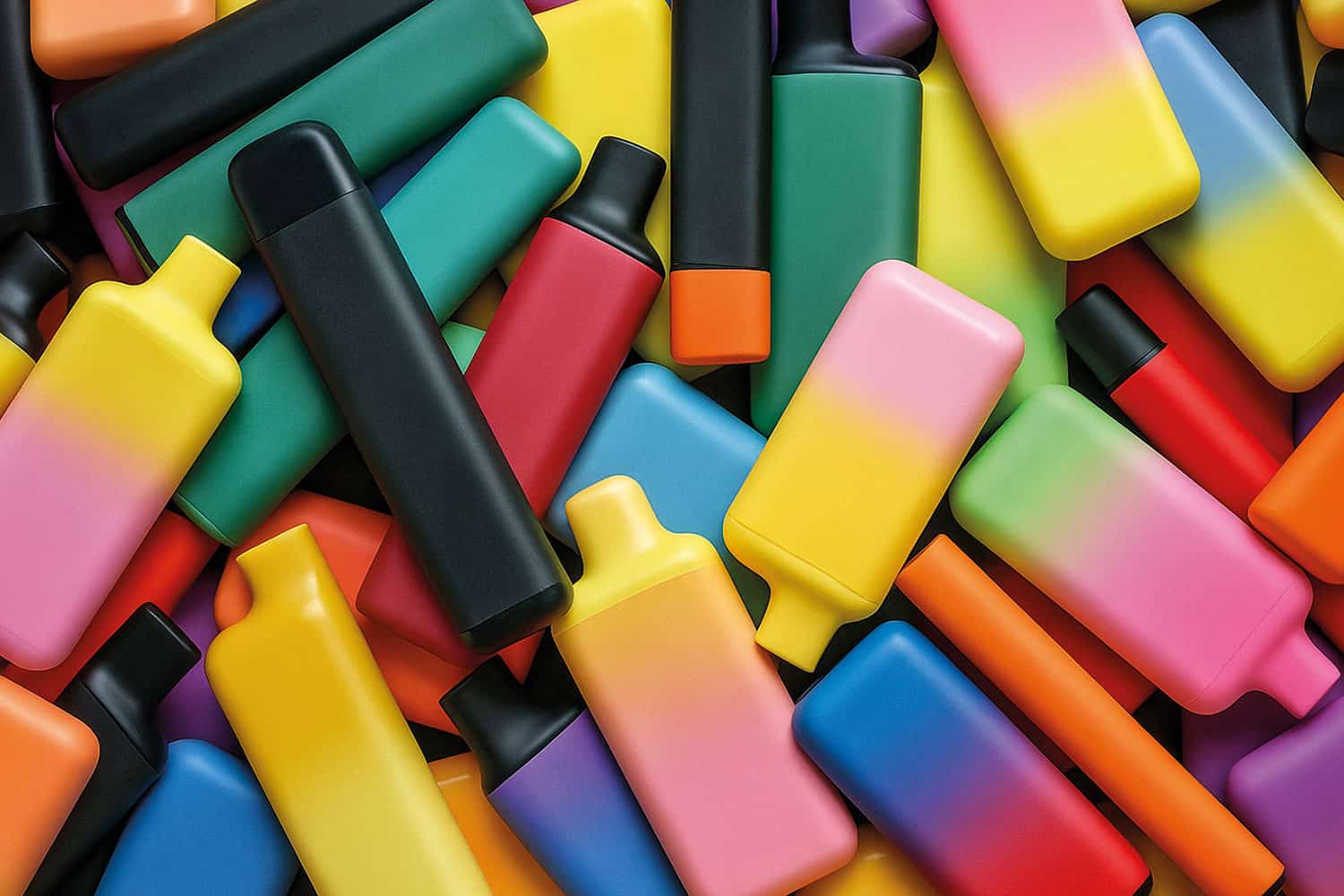
The LGA is urging the Government to tighten the definition of single-use vapes to close a loophole, reduce waste and prevent further dangerous bin lorry, recycling and waste centre fires.
The LGA is urging the Government to tighten the definition of single-use vapes to close a loophole, reduce waste and prevent further dangerous bin lorry, recycling and waste centre fires.

The number of children with an education, health and care plan (EHCP) for special educational needs and disabilities (SEND) has increased by 12.5 per cent since last year, according to official figures.
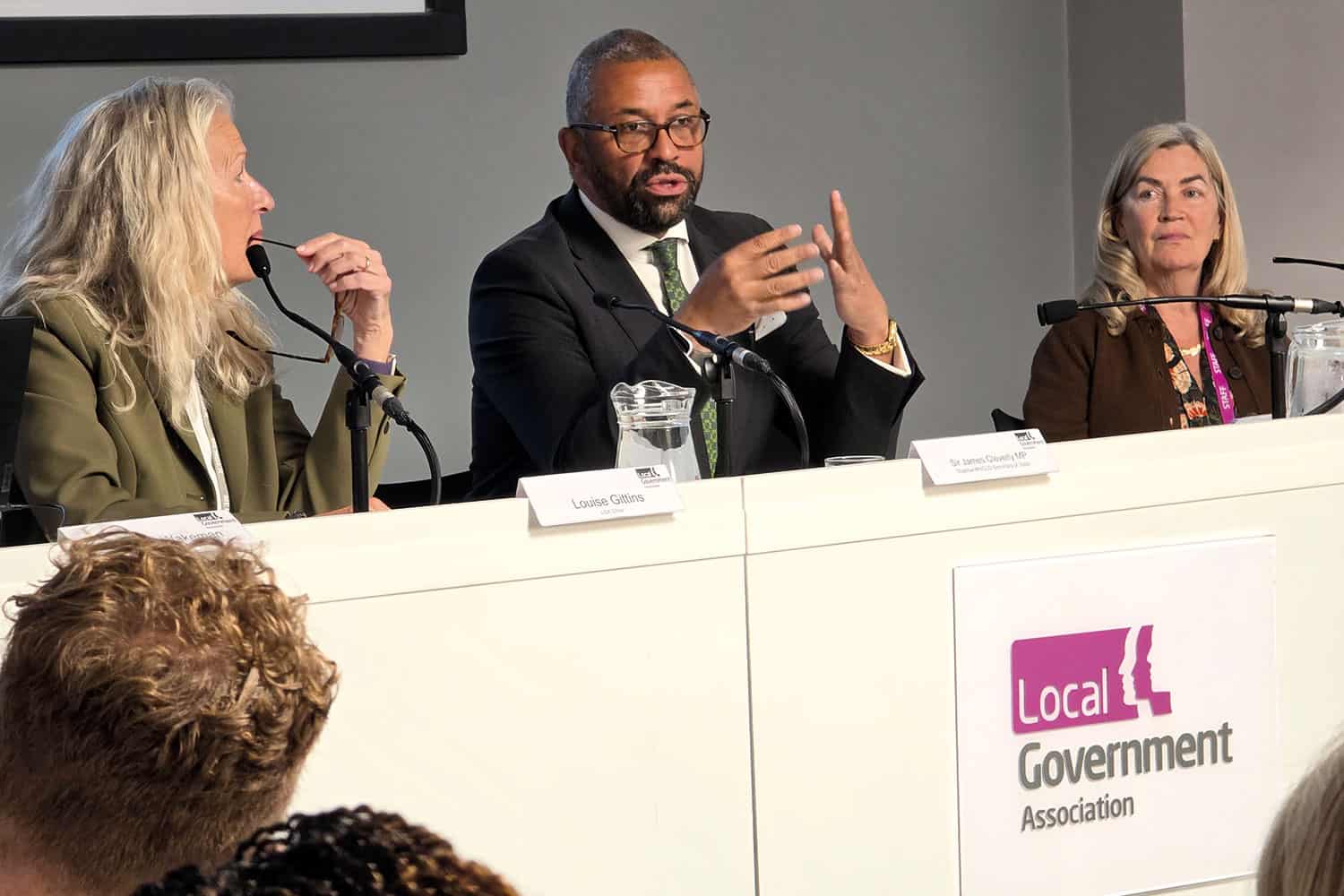
Sir James Cleverly MP, Shadow Secretary of State for Housing, Communities and Local Government, joined the LGA’s most recent Councillors’ Forum to share his perspective on the challenges and opportunities facing local government.
The work of councillors and officers in local government has been recognised in the King’s Birthday Honours List 2026.
There has been a decrease in diagnoses of sexually transmitted infections (STIs) in England, according to annual data from the UK Health Security Agency.
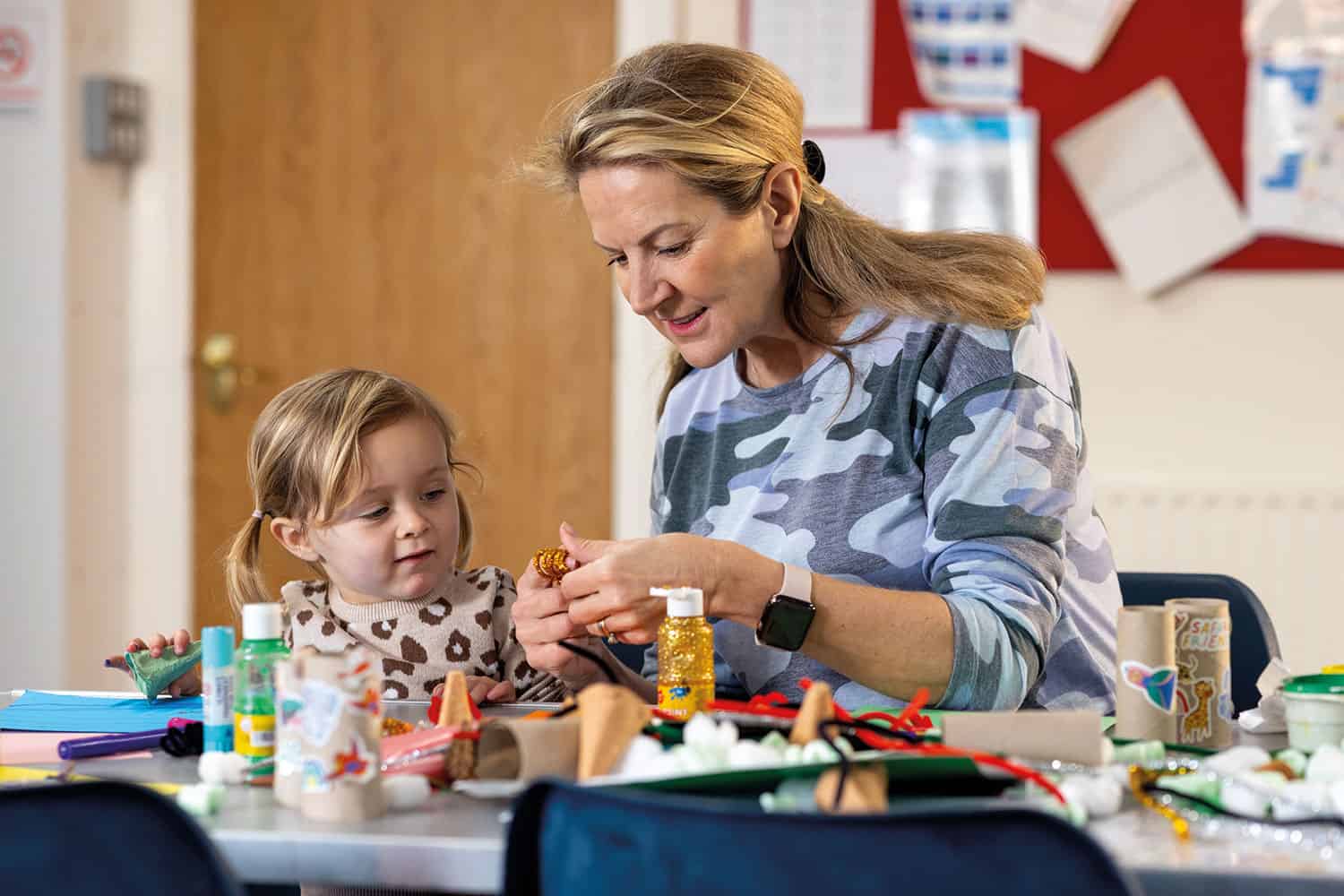
A coalition of children’s charities is calling on the Government to use recent investment to rebalance children’s services towards early support.
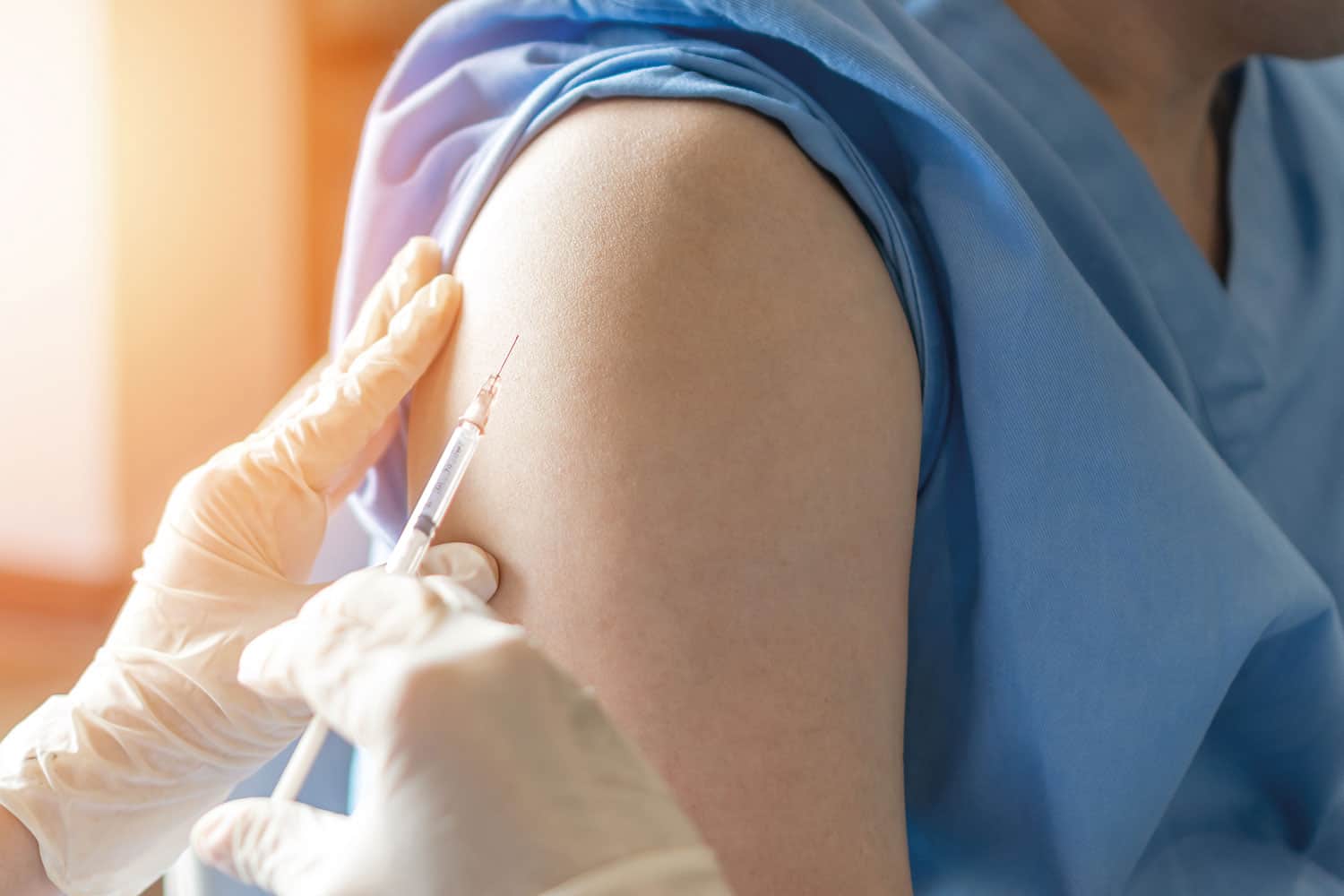
The Government has announced the rollout of a one-off meningitis B vaccine programme for young people in England and Wales.