finance


Tackling barriers to growth could unleash £276bn of economic potential
Councils across England could unleash £276 billion of untapped economic potential – equivalent to more than a tenth of national output – with government support to break down place-specific barriers to growth, according to LGA-commissioned analysis.
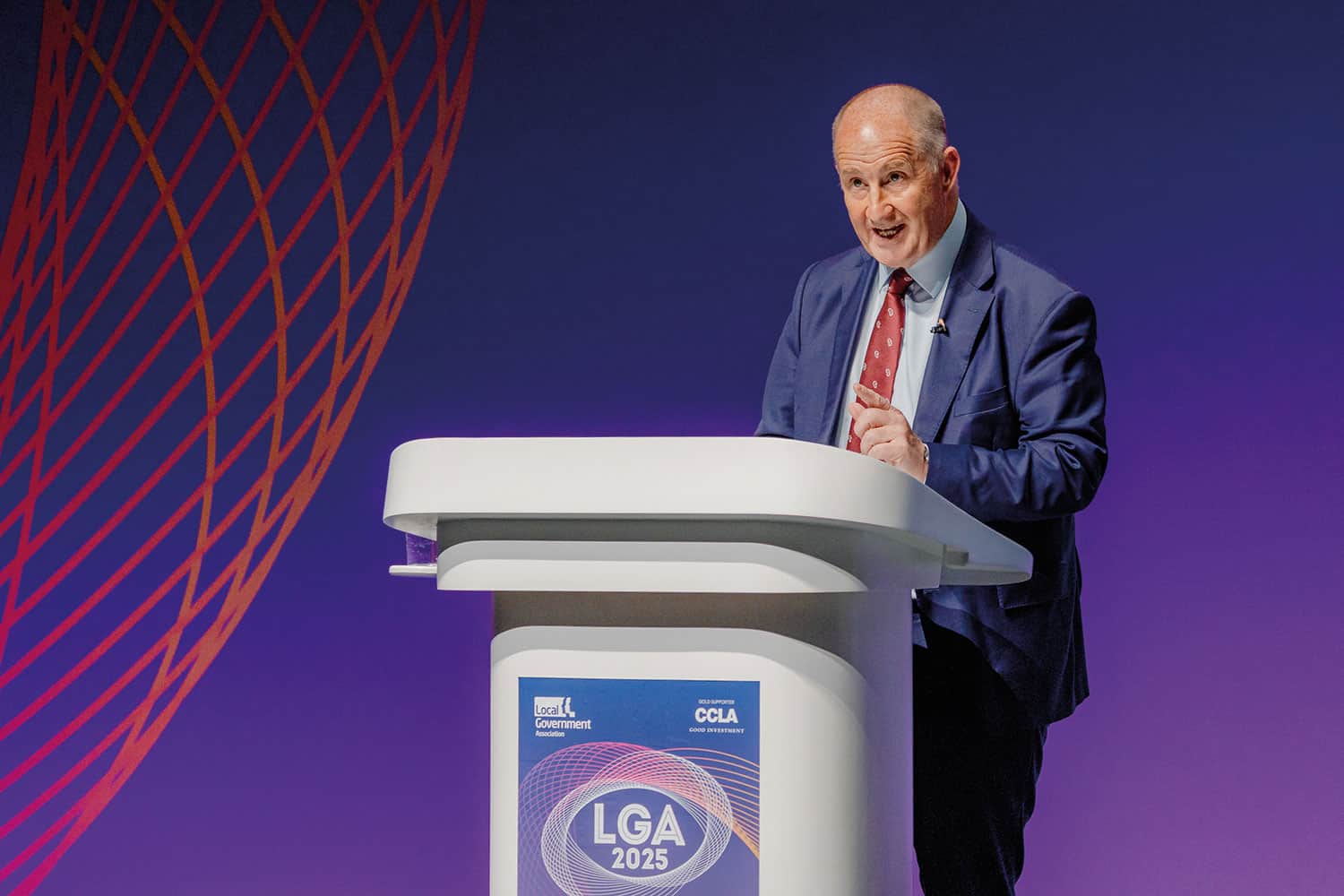
Funding system is “broken”
Councils are being “forced to play along” with the Government’s “top-down” devolution programme or “face the threat of local government reorganisation without consent”, according to Kevin Hollinrake, former Shadow Secretary of State for Levelling Up, Housing and Communities.

SEND override to continue as LG funding consultations published
A workaround allowing councils with responsibility for special educational needs and disabilities (SEND) to balance their books will continue after March to 2028, the Government has confirmed.
Reforms and more funding for audit
The Government will provide funding to councils to cover the costs of additional audit fees, with a first tranche of £49 million for qualifying local authorities in 2025/26.

Local government finances becoming ‘unsustainable’
Council finances in England are becoming unsustainable because of increasing demand on essential frontline services, the impact of delayed finance reform, and the erosion of investment in preventative programmes.
Funding for NICs confirmed
Overall funding for local government in England will increase by 6.8 per cent in cash terms compared with 2024/25, according to the final finance settlement, published in early February.

Call for urgent reform of council funding
An outdated and complex funding model is hindering councils’ ability to plan effectively and meet the growing needs of their communities, according to a new report.

The importance of local government finance
LGA resources can help councillors ensure value for money.
Laying bare the financial challenges
In November, we welcomed the great and the good of the local government world to Buckinghamshire, for the County Councils Network’s (CCN’s) Annual Conference 2024. We met in Marlow under dramatically different political circumstances compared with recent history. But while it is all change in the composition of MPs in the Commons, CCN’s approach to advocacy has not changed.